

About me
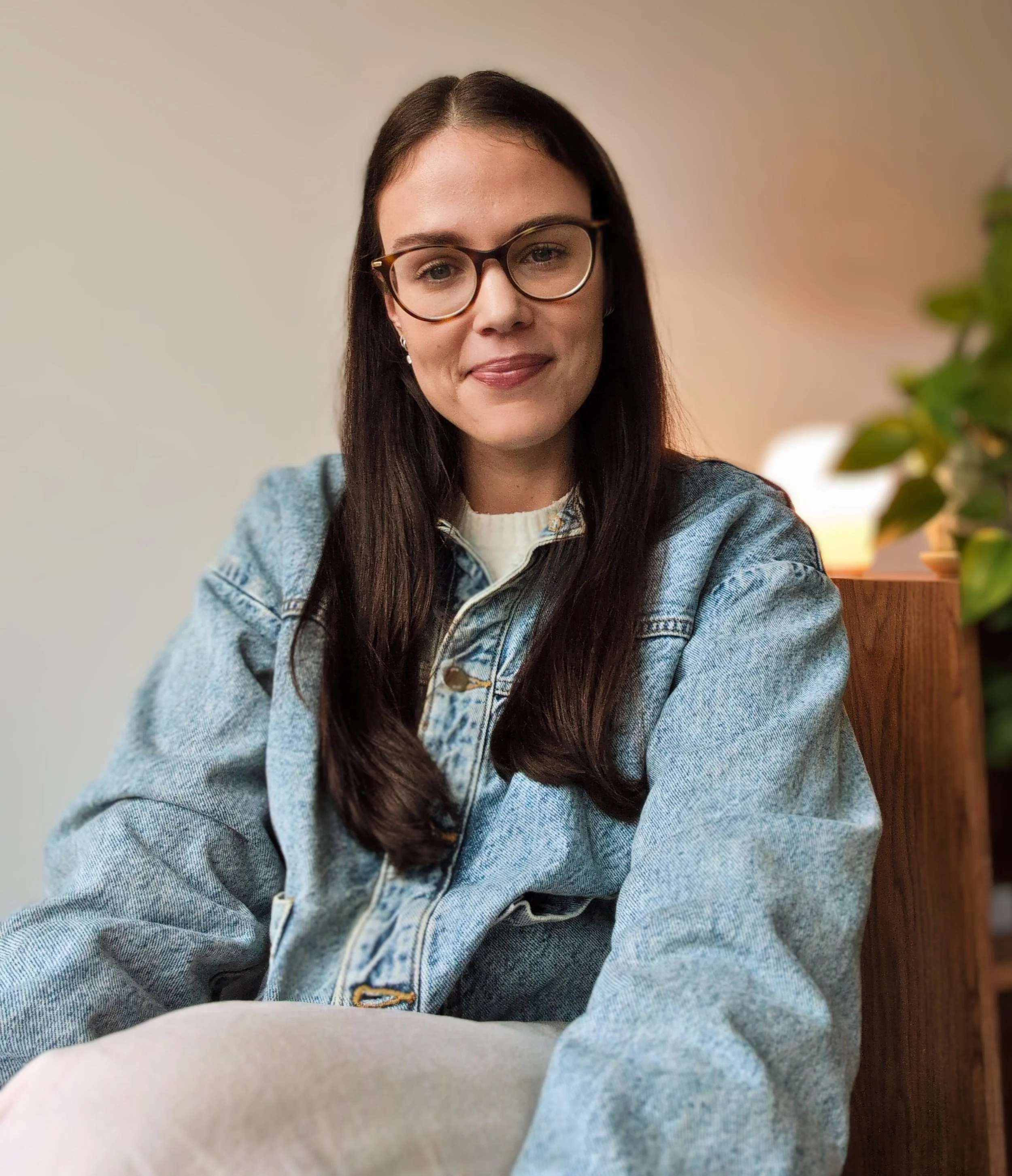
I was born and raised in South Africa and have had the privilege of living and working in various countries across the world, including Aotearoa (New Zealand), Sri Lanka, and England. However, over the last couple of years, I have been living and practicing on the unceded, ancestral lands of the xʷməθkʷəy̓əm (Musqueam), Sḵwx̱wú7mesh (Squamish), and səlilwətaɬ (Tsleil-Waututh) First Nations.
A career in the helping professions has always felt like a calling to me, one that aligns with my desire to engage in meaningful work and also plays to my strengths. Introspection, active listening, and creating supportive environments are skills that feel intuitive to me, and becoming a therapist has allowed me to develop and apply them in a deeply meaningful way.
As a therapist, I have the privilege of participating in vulnerable, authentic conversations where clients courageously invite me into their internal worlds. Witnessing people reflect on their experiences and examine what it means to be human not only helps them, but also deepens my own understanding of myself. I feel fortunate to be able to form genuine connections and experience a shared sense of humanity through my work, as it keeps me grounded in what truly matters and makes me feel less alone in my own humanness.
In my work with clients, I aim to create a compassionate, collaborative, and non-judgmental space where you can explore your inner world at a pace that feels right for you. My most recent clinical experience includes offering individual therapy to adults experiencing a variety of challenges, including mood dysregulation, developmental & relational trauma, major life transitions, relationship challenges, stress management, and identity development. My approach is integrative, meaning I draw from a wide variety of evidence-based theories, modalities, and philosophies to guide how I engage clients in therapy. These include:
-
A trauma-informed approach recognizes how past experiences, especially overwhelming or painful ones, can shape the nervous system, emotions, relationships, and sense of self. Rather than asking “what’s wrong with you?”, we focus on “what happened to you?” Therapy is paced, collaborative, and grounded in safety, choice, and respect for your lived experience.
-
Attachment theory explores how our early relationships shape the way we connect with others, experience closeness, and manage emotions. Therapy offers a space to understand these patterns and, through a safe and consistent therapeutic relationship, begin to experience new ways of relating to yourself and others.
-
Mindfulness is about gently noticing what’s happening in the present moment, without judgment. In therapy, this can help you become more aware of your thoughts, emotions, and body sensations, so you can respond with more choice rather than feeling stuck in automatic patterns.
-
Self-compassion involves learning to relate to yourself with kindness, understanding, and care, especially during moments of struggle. Instead of harsh self-criticism, we work toward building an inner voice that is supportive, grounding, and human.
-
Somatic therapy focuses on the connection between the mind and body. Many experiences are held in the nervous system, not just in thoughts or memories. By tuning into body sensations, movement, and breath, we can gently support healing in ways that don’t rely solely on talking.
-
Polyvagal theory helps us understand how the nervous system responds to safety, connection, and threat. It explains why we may shift into states of anxiety, shutdown, or overwhelm. In therapy, this framework supports learning how to recognize these states and gently bring the nervous system back toward regulation and safety
-
DBT is a skills-based approach that supports emotional regulation, distress tolerance, interpersonal effectiveness, and mindfulness. It is especially helpful for intense emotions, relationship difficulties, and feeling stuck in reactive patterns, while balancing acceptance with meaningful change.
Education & Credentials
Masters in Counselling Psychology, Adler University.
BA (hons) Psychology (cum laude), Stellenbosch University.
BComm Organizational Psychology, Stellenbosch University.
Registered Clinical Counsellor (RCC) with the British Columbia Association of Clinical Counsellors (#20642).
Canadian Clinical Counsellor (CCC) with the Canadian Counselling and Psychotherapy Association (#11246707).
Specialized Education:
Accelerated Experiential Dynamic Psychotherapy Level 1 (AEDP Institute, 2026)
Somatic Attachment Psychotherapy (Dr. Lisa Mortimore & Stacy Jensen, 2023-2025).
Motivational Interviewing Level 1 ( Fraser Health Authority, 2023).
Indigenous Canada (University of Alberta, 2020).
San’yas Anti-Racism Indigenous Cultural Safety Training (2023).
Dialectical Behavior Therapy (DBT) (Dr. Lane Pederson, 2023).
Complex Trauma Certification Level 1 & 2 (Dr. Janina Fisher, 2023)
Gottman Method Couples Therapy Level 1 (The Gottman Institute, 2021).